
AI-Friendly Artisan Stores: Beyond Products and Prices
A beautiful online shop is still important. However, as online search evolves, product photographs and prices alone may no longer be enough.
Customers increasingly use AI-assisted search tools to help them research products before making a purchase. Rather than searching for "handmade wool blanket", they may ask detailed questions about materials, durability, care requirements or custom options.
This creates a valuable opportunity for artists, artisans and craftspeople.
An AI-Friendly Artisan Store does more than display products. It helps visitors understand your expertise, your methods and the value behind your work.
Click open the accordion sections to browse this article. Estimated reading time: 3-4 minutes.
Customers Are Looking for Answers, Not Just Products
Oak dining table North West
I need a handmade oak dining table for a busy family home. Which type of finish is easiest to maintain?
- How your products are made
- Which materials are best suited to different uses
- How products should be maintained
- What customisation options are available
- Common mistakes customers should avoid
Your Expertise Is Part of the Product
Artisans spend years developing their skills. Yet surprisingly few explain that expertise on their websites.
An AI-Friendly Artisan Store should help customers understand:
- Who you are
- What you make
- Why your products are different
- How your products are created
- How customers can get the best results
Customers usually buy from people they trust.
Sharing your knowledge helps establish that trust long before a purchase is made.
Start with an About the Artisan Page
One of the most valuable pages on an artisan website is often the one that receives the least attention.
Your About the Artisan page should tell your story and help customers connect with the person behind the products.
Your Background
Consider explaining:
- How you learned your craft
- How long you have been developing it
- Any specialist training, qualifications or memberships
- What inspired you to start your business
Your Workshop
Customers are often fascinated by how handmade products are created. You might include:
- Where you work
- How your products are made
- The tools and techniques you use
- The materials you prefer and why
Your Values
Modern customers increasingly want to know what a business stands for. For example:
- Sustainability
- Local sourcing
- Traditional craftsmanship
- Ethical production
- Quality over mass production
These details help potential customers understand not only what you make, but also the care and thought that goes into every item.
A well-written artisan profile does more than introduce your business. It demonstrates expertise, builds trust and helps customers feel confident that they are buying from a genuine craftsperson rather than an anonymous online retailer.
Why This Matters
When somebody asks an AI assistant to recommend a product, it is often looking for signs of expertise and credibility.
An artisan with a detailed profile, clear information about their methods and evidence of their experience is likely to stand out more than a store containing only product photographs and prices.
In short, the story behind your craft can become one of your most valuable marketing assets.
Tell the Story Behind Your Products
Many websites contain little more than a product name, price and photograph.
That may not fully answer a customer's questions. It does not help an AI search robot gauge suitability for a potential buyer's query.
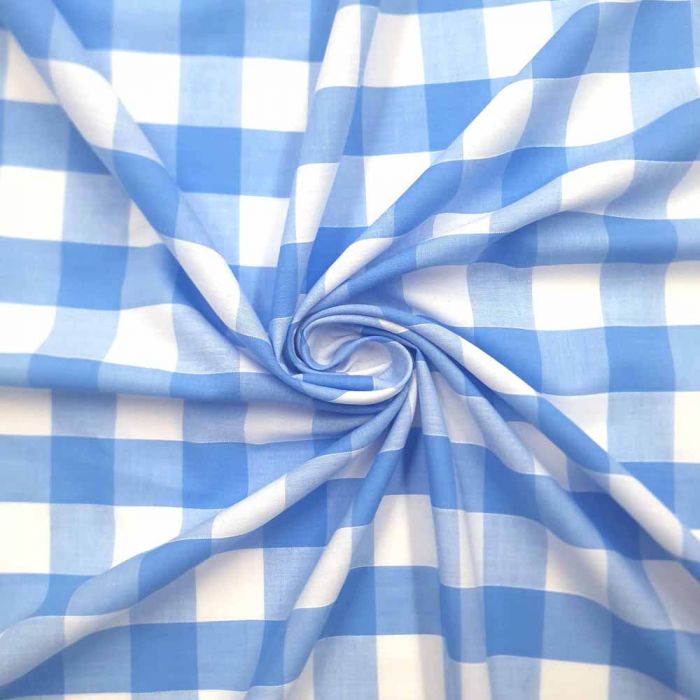
Gingham, yes, but is it a durable polyester/cotton blend? What dimensions are available? What gauge is the pattern? Is it breathable and machine washable? Is it good for dresses, or better for decor? The more you describe, the better AI can help buyers find you.
Instead, consider explaining:
- The materials used
- How long production takes
- Why specific techniques are chosen
- Available customisation options
- Suitable uses for the product
For example, rather than saying:
Handmade ceramic mug
You might say:
Handmade stoneware mug created using traditional wheel-throwing techniques and fired at high temperatures for everyday durability.
An expanded description like this helps AI search bots match your products to a search query. In this way, AI can connect you to buyers so that customers make informed decisions about supliers who demonstrate expertise.
Frequently Asked Questions Save Time
A good FAQ page can answer questions before customers need to contact you.
Common questions might include:
- Do you offer custom sizes?
- How long will delivery take?
- Do you accept commissions?
- Which materials do you use?
- Can products be repaired?
- Are your products suitable for outdoor use?
A well-written FAQ can improve the customer experience while reducing repetitive enquiries.
Think Beyond the Product Page
Successful artisan websites increasingly act as small knowledge centres.
Alongside products, consider publishing:
- Buying guides
- Care instructions
- Behind-the-scenes articles
- Workshop news
- Seasonal advice
- Commissioning guides
Every article is another opportunity for customers to discover your expertise.
The goal is not simply to sell products.
The goal is to become recognised as a trusted authority within your craft.
Preparing for the future
As AI-assisted search becomes more common, businesses that share useful information may become easier for potential customers to discover.
Fortunately, most artisans already possess the knowledge required to bring their content in line with AI's evolviong approach to search.
The challenge is simply presenting that knowledge online.
An AI-Friendly Artisan Store is not about technical expertise or complicated marketing strategies.
It is about explaining your craft, sharing your experience and giving customers confidence in the products you create
For many artists, artisans and craftspeople, that may be one of the most effective forms of marketing available.
Frequently Asked Questions
What is an AI-Friendly Artisan Store?
An AI-Friendly Artisan Store is an online shop that combines products with useful information such as artisan profiles, product stories, care guides and FAQs.
Do I need technical skills to create one?
No. Most of the content can be created simply by sharing knowledge you already have about your craft and products.
Do customers really read this information?
Many do. Customers often want reassurance before purchasing, especially when buying handmade or bespoke items. Importantly, AI search bots do, and the research they compile before a search question is even asked helps connect potential buyers when they ask.
Should every product have a story?
Not necessarily. However, explaining materials, methods and unique features can help customers understand the value of your work.
How often should I publish new content?
Consistency is more important than volume. Even one useful article each month can gradually build trust and authority.
Is this only useful for online sales?
No. Helpful content can also encourage enquiries, commissions, workshop bookings and visits to physical events or markets.
Summary
Today, online shops are as much about demonstrating expertise and building customer confidence rather than conventional product, price, and description models. Information about professional background, materials used, how products are made, and after sales care all help to build a broader picture that helps to connect traders to buyers. Other articles in this series:
Introduction: AI Search for Artisan businesses
1. Building an AI-Friendly Artisan Store
2. Why Collective Knowledge Matters More Than Collective Selling for Artisans
3. Why Good Website Design Is No Longer Just About Appearance
About the Author
Based in Ruthin, North Wales, Steve Galloway helps businesses improve reliability, productivity and security through practical IT support, Microsoft 365 expertise, web server and web hosting support, troubleshooting and documentation. Find out more about Steve Galloway and his experience here.